Now hiring Vehicle Technicians in Oxford – apply today!

Peak Season Pressure: How Hospitality Businesses Can Stay Operational When Demand Is High
For hospitality and leisure businesses across Oxfordshire, peak season brings significant opportunities. More visitors, fuller venues and increased spending can drive business growth, but they also place greater pressure on operations behind the scenes.
Whether you're running a hotel, restaurant, pub, visitor attraction, leisure venue or entertainment destination, maintaining a high-quality visitor experience during busy periods depends on more than great service alone. Waste management, pest prevention and building maintenance all play an important role in keeping operations running smoothly.
Oxfordshire's Visitor Economy Is Driving Growth
Tourism and hospitality continue to be major contributors to Oxfordshire's economy. In 2024, the county welcomed 25.3 million visitor trips, generating £2.4 billion for the local economy and supporting around 41,000 jobs, equivalent to approximately 11% of Oxfordshire's workforce. Visitors spent more on food and drink than any other category, accounting for 32% of visitor expenditure. These figures highlight both the importance of the sector and the opportunities available to businesses that are prepared for increased demand.
As visitor numbers rise, so do customer expectations. Businesses that can consistently deliver a positive experience are often best placed to turn first-time visitors into repeat customers.
Busy Periods Put Visitor Experience Under Pressure
When venues are operating at capacity, even small operational issues can quickly become noticeable.
An overflowing waste area, an unexpected maintenance issue or signs of pest activity can affect the overall visitor experience. In today's world of online reviews and social media, these issues can have an impact that extends far beyond a single day.
The most successful hospitality businesses are not necessarily those that avoid challenges altogether. They are often the businesses that identify risks early, respond quickly and minimise disruption when issues arise.
Waste Management: Keeping Pace with Demand
More visitors naturally generate more waste.
The UK's hospitality sector produces approximately 1.1 million tonnes of food waste every year, with food waste estimated to cost the industry around £3.2 billion annually.
For hospitality and leisure businesses, effective waste management is about more than keeping sites tidy. It helps maintain a positive first impression, supports operational efficiency and ensures facilities remain safe and welcoming for visitors.
Food waste is one of the heaviest waste streams for hospitality businesses, making regular food waste recycling essential for compliance, controlling costs, reducing smells and pests, and keeping operations running efficiently.
During busy periods, businesses should consider whether they have:
Sufficient collection frequencies
Effective food waste management
Appropriate recycling arrangements
Adequate waste storage capacity
Flexible support for seasonal demand
Planning ahead can help avoid unnecessary disruption during the busiest trading periods.

Protecting Your Reputation from Pest Issues
A single pest sighting can have a significant impact on customer confidence.
Research analysing more than 80,000 Tripadvisor reviews found that pest sightings can reduce hospitality venue ratings by an average of one full star. The same study estimated that rodent-related reputation damage could cost a hospitality business up to £20,000 in lost revenue each year.
For businesses operating in hospitality and leisure, pest control is not just about compliance. It's about protecting reputation, maintaining standards and safeguarding the visitor experience.
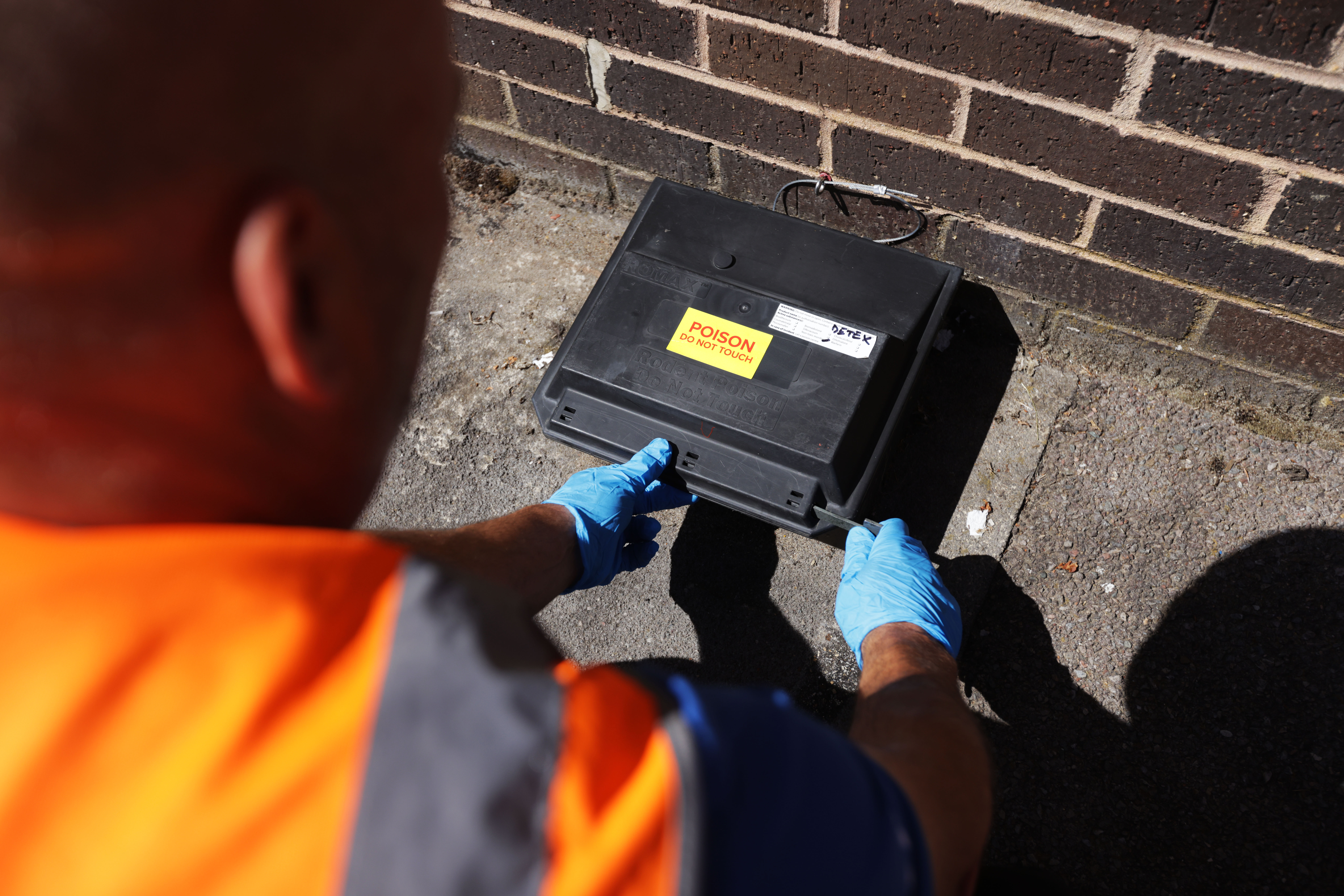
Many organisations are moving towards preventative monitoring and proactive inspections rather than waiting for issues to develop. Taking action early is often far less disruptive than responding after a problem becomes visible to visitors.
The Cost of Unexpected Repairs
The busiest periods of the year are often the worst times to experience operational failures.
A faulty door, damaged fixture, plumbing issue, lighting problem or facilities breakdown can quickly disrupt normal operations and impact visitors.
When visitor numbers are high, downtime becomes more costly. Having access to responsive maintenance support and carrying out preventative checks can help reduce the likelihood of disruption and keep facilities operating as expected.
Ultimately, visitors remember their experience, not the reason something went wrong.

Building Operational Resilience
As Oxfordshire continues to attract millions of visitors every year, hospitality and leisure businesses have a valuable opportunity to make the most of growing demand.
Success during peak season is not just about attracting visitors. It's about ensuring your operation can deliver a consistently positive experience when demand is at its highest.
By planning ahead for waste management, pest control and maintenance, businesses can help protect their reputation, support staff, maintain standards and create welcoming environments for visitors.
For organisations looking for local support, ODS works with hospitality and leisure businesses across Oxfordshire to help keep operations running smoothly throughout the year.